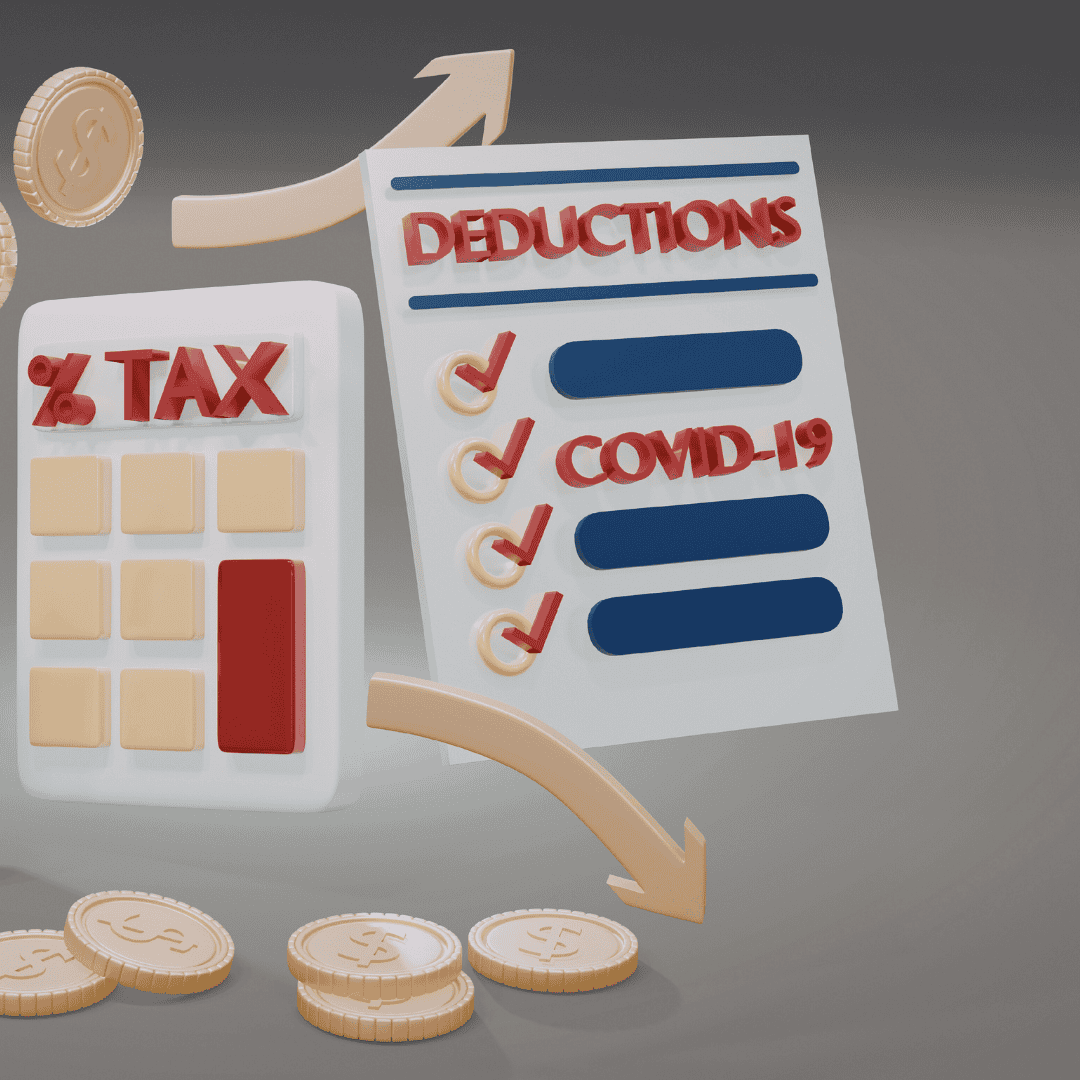
Freelancers must manage their own taxes, which involves understanding income reporting, deductions, and quarterly payments. The key to staying compliant is knowing how to track earnings and expenses while setting aside money regularly for taxes.
Taxes for freelancers differ from those of traditional employees because they handle both income and self-employment taxes. Navigating these basics helps avoid penalties and maximizes potential savings.
Understanding tax obligations early allows freelancers to focus on growing their business without costly surprises. This guide breaks down what you need to know to stay organized and prepared.
Understanding Freelancer Tax Obligations
Freelancers need to accurately report all types of income and understand the specific taxes they owe. This includes how freelance earnings are defined, the additional self-employment tax, and how tax rules differ from those applied to employees.
What Counts as Freelance Income
Freelance income is any payment received for services as a non-employee. This includes fees from clients, tips related to your work, and income from side gigs. Both cash and electronic payments must be reported.
If you receive a Form 1099-NEC from a client, that income is taxable. Even payments under $600 should be reported if they are work-related. Income from selling products related to your freelance activity is also taxable.
Expenses related to earning this income can often be deducted, such as office supplies or software. However, personal gifts or unrelated earnings do not count as freelance income.
Self-Employment Tax Explained
Freelancers pay self-employment tax to cover Social Security and Medicare because they do not have an employer withholding these taxes. This tax is currently 15.3% on net earnings.
Net earnings equal your freelance income minus deductible business expenses. Only amounts exceeding $400 annually are subject to self-employment tax.
Half of the self-employment tax can be deducted from your taxable income on your federal return. This helps reduce the overall burden but does not affect the total amount owed.
Difference Between Employee and Freelancer Taxes
Employees have income tax, Social Security, and Medicare withheld by employers. Employers also pay half of Social Security and Medicare taxes for employees.
Freelancers, however, are responsible for the full self-employment tax themselves. They must also make estimated quarterly tax payments due to no withholding.
Employees receive benefits such as unemployment insurance and workers’ compensation coverage, which freelancers must arrange independently. Proper recordkeeping is essential for freelancers to track income and expenses for tax purposes.
How to Track and Report Income
Freelancers must maintain organized records of all income sources and understand their tax reporting obligations. Proper invoicing practices and awareness of required IRS forms are essential. Managing income from various gigs requires clear tracking to avoid errors when filing taxes.
Invoicing and Recordkeeping
Invoices should include the date, client details, payment terms, services provided, and total amount charged. Using digital tools like QuickBooks or FreshBooks can simplify this process and ensure consistency.
Keep copies of all invoices and payment confirmations. Store these records both digitally and physically for at least three years, as the IRS recommends this retention period. Maintaining organized records helps verify income and support expense claims during audits.
1099 Forms and Reporting Requirements
Most U.S. clients must issue a Form 1099-NEC if they pay $600 or more in a year for freelance services. You should receive each 1099 by January 31 following the tax year.
If you receive a 1099, report the income on Schedule C of your tax return. Even if you don’t get a 1099, you must still report all freelance income. Keep track of payments that might not be reported by clients to avoid underreporting.
Tracking Multiple Income Streams
Freelancers often earn from varied sources like consulting, selling products, or affiliate marketing. Use separate income categories to track each stream, either in accounting software or spreadsheets.
This separation helps identify which activities generate the most revenue and simplifies expense allocation. Proper categorization also ensures accurate reporting and easier reconciliation with bank statements and 1099 forms.
Essential Tax Deductions for Freelancers
Freelancers can reduce their taxable income by claiming a variety of business-related expenses. The most important deductions include everyday costs, space used for work, and necessary equipment or supplies.
Common Deductible Expenses
Freelancers can deduct expenses such as mileage, internet bills, professional fees, and software subscriptions directly related to their work. Travel costs for business trips, client meetings, or conferences may also qualify.
Health insurance premiums paid by self-employed individuals can reduce taxable income. It’s important to keep detailed records and receipts for all expenses to substantiate deductions during tax filing or audits.
Home Office Deduction
A space in the home used exclusively for business can qualify for the home office deduction. This includes a dedicated room or a clearly defined area used regularly for work tasks.
There are two deduction methods: the simplified option offers $5 per square foot up to 300 square feet. The regular method requires calculating actual expenses such as rent, utilities, and maintenance proportional to the office space size.
Business Equipment and Supplies
Purchases of computers, printers, or office furniture needed for work are deductible. Freelancers can write off the full cost in the year of purchase or depreciate it over several years, depending on the equipment’s value.
Office supplies like paper, ink, and pens are also deductible. Keeping detailed expense logs and receipts ensures accurate reporting and maximizes deductions.
Quarterly Estimated Tax Payments
Freelancers are responsible for paying taxes throughout the year, not just at tax time. This requires calculating how much to pay, knowing when payments are due, and submitting them efficiently.
Calculating Estimated Payments
Estimated tax payments are based on your expected income, deductions, and credits for the year. Use Form 1040-ES to figure your payment. Calculate your annual taxable income, then divide the total tax owed by four.
If you expect to owe at least $1,000 in taxes after withholdings, you must make estimated payments. You can also base payments on last year’s tax as a safe harbor, which avoids penalties if your income is similar. Keep track of actual income to adjust payments if necessary.
Freelancers with fluctuating income should recalculate quarterly. The goal is to cover at least 90% of the current year’s tax liability or 100% of last year’s tax, whichever is less burdensome.
Payment Due Dates
Estimated tax payments are due four times a year. The deadlines are:
- April 15 (for income earned Jan 1–Mar 31)
- June 15 (for income earned Apr 1–May 31)
- September 15 (for income earned Jun 1–Aug 31)
- January 15 of the following year (for income earned Sep 1–Dec 31)
If a due date falls on a weekend or federal holiday, the deadline moves to the next business day. Missing a payment or paying late can result in interest and penalties. It’s important to mark these dates on your calendar or set reminders.
Filing and Paying Online
The IRS offers several methods to pay estimated taxes online, including Direct Pay, the Electronic Federal Tax Payment System (EFTPS), and paying by debit or credit card. These options are secure and provide instant confirmation.
Direct Pay is free and doesn’t require enrollment, ideal for one-time or quarterly payments. EFTPS requires registration but allows scheduling payments in advance, beneficial for regular filers.
After payment, keep a copy of the confirmation for your records. You can also submit Form 1040-ES vouchers by mail if preferred, but online payment is faster and reduces the risk of lost forms.
Filing Your Freelance Taxes
Freelancers must carefully gather specific tax forms, decide how to file their returns, and adhere to important deadlines. Accurate paperwork and timely submissions reduce the risk of penalties and ensure proper reporting of income and expenses.
Required Tax Forms for Freelancers
The primary form freelancers use is Schedule C (Form 1040), which reports income and expenses from self-employment. Along with this, Form 1040 is the standard individual tax return form.
If freelance earnings exceed $400, filing Schedule SE is mandatory to calculate self-employment tax, covering Social Security and Medicare contributions. Additionally, freelancers who paid contractors $600 or more must file Form 1099-NEC to report those payments.
Tracking all income and deductions accurately is essential. Keep good records of receipts, invoices, and bank statements to support the amounts entered on these forms.
Choosing Between Filing Methods
Most freelancers file their taxes electronically because e-filing is faster, reduces errors, and speeds up refunds. The IRS offers free filing options for those meeting income limits through the IRS Free File Program.
Tax software can guide you through the process step-by-step, handling calculations automatically. Hiring a tax professional might suit those with complex situations or multiple income sources.
Paper filing remains an option, but it increases processing time and lacks immediate confirmation. Consider your comfort with tax forms and deadlines when choosing between methods.
Tax Deadlines and Extensions
Freelance tax returns are due by April 15 annually, aligning with individual tax filing deadlines. Quarterly estimated tax payments are also required on April 15, June 15, September 15, and January 15 of the following year.
Missing deadlines can result in interest and penalties on unpaid taxes. If more time is needed, file Form 4868 by the April deadline to request a six-month extension. Note, this extends filing time but not payment time.
Make payments with the extension request or as soon as possible to avoid extra charges. Staying organized and proactive with deadlines helps maintain compliance.
Retirement Planning for Freelancers
Freelancers must actively plan for retirement since they do not have employer-sponsored plans. Options like tax-advantaged accounts and specialized retirement plans can help build savings while reducing taxable income.
Tax-Advantaged Retirement Accounts
Contributions to tax-advantaged accounts reduce taxable income and grow tax-deferred or tax-free. Two common options are Traditional IRAs and Roth IRAs. Traditional IRA contributions might be tax-deductible depending on income and filing status.
Roth IRAs do not offer immediate tax deductions but allow for tax-free withdrawals in retirement if certain conditions are met. Both accounts have contribution limits—$6,500 in 2026, with an additional $1,000 catch-up contribution allowed for those aged 50 and older.
Freelancers should evaluate eligibility and income limits for these accounts. Choosing between Roth and Traditional depends on current versus expected future tax rates.
SEP IRA and Solo 401(k) Options
SEP IRAs and Solo 401(k)s offer higher contribution limits compared to standard IRAs, making them suitable for freelancers with higher incomes. SEP IRA allows contributions up to 25% of net self-employment income or $66,000 in 2026, whichever is less.
Solo 401(k) plans combine employee deferrals and employer contributions, allowing up to $22,500 in elective deferrals plus profit-sharing contributions, totaling $66,000 annually in 2026. Those aged 50 and above can make additional catch-up contributions of $7,500.
Solo 401(k)s also enable Roth contributions and offer loan options, unlike SEP IRAs. Both plans have straightforward setup processes and can be maintained with minimal administrative costs for freelancers without employees.
Avoiding Common Tax Mistakes
Freelancers often make errors that can lead to penalties or missed deductions. One frequent mistake is failing to keep detailed records throughout the year. Maintaining organized receipts and invoices simplifies tax filing and supports deduction claims.
Another common issue is misunderstanding deductible expenses. Not all business-related purchases qualify. For example, only costs directly tied to your freelance work, like office supplies or software, should be deducted. Personal expenses must be excluded.
Underestimating or not paying quarterly estimated taxes can result in fines. Freelancers usually owe taxes four times a year. Setting aside money regularly helps avoid surprises at tax time.
Here’s a quick list of frequent pitfalls to watch for:
- Missing deadlines for estimated tax payments
- Mixing personal and business finances
- Overlooking small income sources such as tips or side gigs
- Forgetting to file required tax forms like Schedule C or SE
Using accounting software or consulting a tax professional can reduce these risks. Avoiding these simple mistakes helps keep your tax process smooth and compliant.
When to Seek Professional Tax Help
Freelancers should consider professional tax help when their financial situation becomes complex. This includes managing multiple income streams or handling significant expenses related to their work.
If you are unsure about deductible expenses or how to report income, a tax professional can provide clarity. They ensure you comply with tax laws and avoid costly mistakes or audits.
Filing quarterly estimated taxes can be confusing. A tax advisor can help calculate payments correctly to prevent penalties for underpayment.
Hiring a professional is also recommended if you face new tax laws or changes in your business structure. Keeping up with regulations is essential, but can be challenging without expert guidance.
| Signs You Need Professional Help | Examples |
| Complex income sources | Multiple clients, royalties |
| Uncertain deductions | Home office, travel expenses |
| Quarterly tax payments | Calculating and submitting on time |
| Changes in business structure | Incorporation, partnerships |
Getting assistance early can save time and reduce stress. It allows freelancers to focus on their work while staying compliant with tax obligations.